How to survive the festive season with a digestive disorder

The festive season is one full of rich foods, alcohol, late nights, parties and sometimes stress and anxiety. It can be a tough time of year for those of us with digestive disorders because it can really put a dampener on your Christmas spirit. Below, I’m sharing my top tips for not only surviving Christmas and New Year, but also how to enjoy it and feel as well as you possibly can!

Plan ahead

Christmas Organiser – Cath Kidston – £20

Making plans and notes can really help you prepare for the festive season. Decide where you’ll be on Christmas day, who is cooking and if you’ll have guests. Getting all of these details sorted early can help reduce stress and anxiety which will help you feel as well as you can. You can keep a notebook for Christmas, make a checklist or even buy yourself a Christmas planner. This way, you’re sure not to forget anything at the supermarket or when gift shopping for friends and family.

Get plenty of rest

Getting rest at such a busy time of year is very important. The more well-rested you are, the more you’re likely to enjoy the festive season. Staying up late every night and accepting every single invitation you get to go out may not do you any good in the end. Listen to your body, if it tells you it needs a night off, take one. It will definitely thank you for it the next day. Don’t be afraid to politely decline an invitation, or make the decision to leave earlier than others if you’re not feeling up to it. The host will be glad that you showed up, even if you take off after an hour!

Eat well

Now, we all like to indulge at Christmas, but just make sure that you know your limits and that you still get your recommended daily amounts of vitamins, minerals, water and fibre.

Have foods that you don’t eat regularly in small portions and still avoid those that make you feel unwell at other times of the year. You can always let someone know in advance to serve you up a smaller portion or leave out the sprouts if they are going to make you feel poorly. Remember, no one wants you to feel unwell and so will be more than happy to leave items off your plate as requested. If you feel uncomfortable mentioning it at the party or table, just send your host a message beforehand so that they are aware. Indulging in large amounts or rich foods and alcohol is a risk and should be avoided as much as possible. It’s far better to just have a tiny bit and savour (US: savor) it!

Follow the tips for good digestion

As with any other time of the year, use the tips for good digestion to help yourself stay well. They may sound a little over the top, but I can assure you that following them will help your body digest the food you eat as best you can.
1. Eat small portions – large portions are not wise and can often leave sufferers feeling bloated and uncomfortable. It’s much better to eat a small portion and grab a little more in a few hours if you’re feeling hungry again.
2. Eat slowly – Take your time to eat your food. Don’t rush it all down and risk gulping down air when you eat. You’ll enjoy it much better if you take your time and you’ll have less chance of stomach ache and bloating later.

A good-sized bite is the size of a 50p coin…but not this one on the screen. Having a 50p coin next to you when you eat so may help you not bite off more than you can chew!


3. Take small bites – Having a lot of food in your mouth is not only hugely unattractive, but it also isn’t good for digestion. One bite should be around the same size as a 50 pence piece (UK). Any bigger than that, and you’ll make it difficult for the enzymes in your saliva to help you break it down, meaning it’s much tougher on the stomach.


4. Chew, chew, chew – Chew your food…REALLY well. We are supposed to chew around 22 times with eat bite, but you may not need to chew that many times, but your food should be almost like a paste before you swallow it. The teeth help to break down the food into small pieces so that the enzymes in your saliva can start to digest it before you even swallow. This makes digestion SO much easier in the stomach and reduces your chances of digestive discomfort, nausea and cramping.

Carry an emergency kit

Since we are out and about so much during the festive period, it’t a good idea to put together a little kit to carry with you. You could fit it into your bag or the car. This kit will contain everything you need to help you if you have any problems while you’re out of the house. Now, the contents of this kit can vary and be adjusted depending on where you’re going and what symptoms you experience, but I’ve just included a few suggestions below.

1 Wet wipes/moist toilet tissue – you never know when you’re going to need to do some extra cleaning after using the bathroom and disposable wipes are perfect for when you’re not at home and can’t use a bidet or jump in the shower. REMEMBER: Do NOT flush disposable wipes down the toilet…even if they say that they’re flushable. It’s much better to dispose of them in a bin instead. Also, yes, disposable wipes are not very good for the environment and I wouldn’t recommend using them all the time, but as part of an emergency kit, I think they are perfect. You can pick up very small packs which are very hand for popping in your bag.
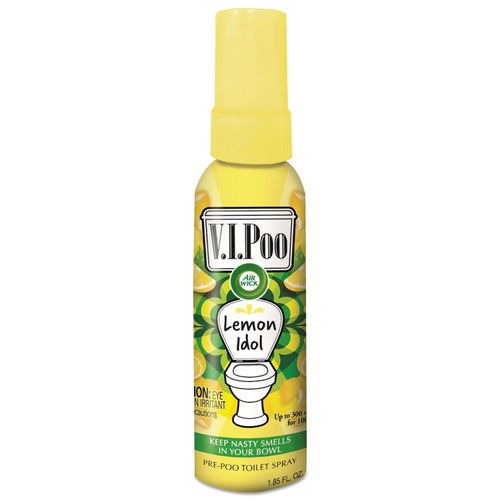
2. Scented toilet spray or drops – Whether it’s V.I.Poo or ‘Just one Drop’, scented toilet spray or drops can really mask a bad odour (US: odor) in the bathroom. Remember to read the instructions first as many products require you to use them BEFORE going to the bathroom. These are especially good when using a shared toilet or when you’re a guest in someone else’s home.

3. Spare underwear – Whether we like to admit it or not, lots of people with digestive disorders have accidents at some point. It may be that they stain their underwear after passing gas or that they struggle to make it to the bathroom in time. You may also want to carry a plastic zip-lock bag for any underwear that has been soiled and needs to be washed.

4. Medications – Make sure any of your medications are at hand. Perhaps you rely on Buscopan for cramping and pain, or maybe you use paracetamol. Remember NSAID painkillers such as Ibuprofen and aspirin are NOT usually recommended for people with digestive disorders. However, take your doctor’s advice for your specific case. Other medications may include antacids or Zantac (ranitidine) or similar medicines if you suffer from acid reflux or indigestion or Immodium (loperamide) if you suffer from diarrhoea (US: diarrhea). Although again, you should check with your doctor whether these medicines are recommended for you.

5. Soothing cream/ointment – If you suffer with a sore bottom because of diarrhoea or excess bile from gallbladder-related problems, you may wish to carry a tub of cream/ointment. Popular brand include Sudocrem or Vaseline. Remember, though, that these creams and ointments can stain your underwear or clothing because they tend to be quite oily/greasy and one solution is to wear a pantyliner or pad on the lining of your underwear to protect your clothing. Men can use these too, but they only really work well with mens’ Y-front style briefs rather than boxer shorts.

6. Nappy/sanitary bags – a few nappy/sanitary bags can help you dispose of soiled wipes or pads if you are using an open-top bin in the bathroom. They are often scented, too so can prevent soiled wipes from stinking up the bathroom if they end up sitting in the bin for some time.

7. A box of matches – if even despite using your odour blocking spray or drops, you’ve still caused a bit of a stink, you can use a couple of matches to burn away any unpleasant smells. Simply light a match and hold it while it burns down a little, then blow it out. You can repeat this with two or three matches if necessary. REMEMBER: Always extinguish your matches in water after use. You should use water to wet the matchsticks before disposing of them in the bin. Also, be careful when lighting matches in the bathroom to keep them away from fabrics and any flammable products such as aerosols and cleaning products.


5 Christmas gift ideas for people with digestive disorders

December has arrived and the shops are getting busier already. People are trying to find thoughful gifts for their family, friends, colleagues or even for a secret santa. But what types of gift can you get for someone with a digestive disorder such as IBS, Diverticular Disease, Crohn’s, Ulcerative Colitis, gastritis or even gallbladder disease/gallstones? Read on for my top gift ideas this Christmas.

Heat pad/Hot water bottle

A lot of digestive disorders cause abdominal pain and discomfort which can often be soothed a little with a heat pad or hot water bottle. There are a huge variety of different products to choose from, for example, you can get electric heat pads, hot water bottles with all sorts of soft and novelty covers, or even a hot pack that you can heat up in the microwave. These are available in a huge variety of stores both in the high street or online.

The hot water bottle store (UK) has a variety of both hot water bottles and microwaveable products.

Sloth hot water bottle from Primark – £6

Primark also have some lovely hot water bottles this Christmas starting at just £4.

Reusable water bottle

Did you know that by the time you feel thirst, you are already dehydrated? Staying hydrated is hugely important for health and is extra important for those with digestive disorders. So, why not save the planet from a few more single-use plastic bottles and buy someone a reusable drinks bottle this Christmas? There are lots of different varieties to choose from; for example, you can get, aluminium (US: aluminum) bottles for those who avoid plastics, infuser bottles for those who aren’t a huge fan of drinking water and would like to add a little flavour (US: flavor)to it, bottles with flip up straws for easy sipping or even bottles that keep drinks cool or warm all day long.

Chilly’s water bottles are great for keeping a drink ice cold all day long. They cost around £25 each, but you can get them in some amazing designs and can even get them personalised (US: personalized).

You can pick up these bottles from pretty much anywhere, though. So have a good look around for something that suits your friend of family member best.

Hydration Devices

Again, hydration is SO important! So, if you know someone who finds it difficult to get in their 2-3 litres (US: liters) of water each day, or someone who enjoys gadgets, think about getting them a hydration device. These clever little devices can remind the user to have a drink throughout the day in order to meet their hydration goals. Some devices can even record how much you drank and how much is left before you meet your goal for the day. Here is an example of just two of these devices on the market, but I’m sure there are plenty more.

A pink Ulla device on a water bottle

Ulla device: This little device is small and cute. It’s available in a number of colours (US: colors) and designs but doesn’t monitor the amount you drink, just how often you drink. It is easy to attach to drinking bottles and will keep track of how often you are sipping from your bottle. These devices will set you back around 30 euros + shipping. However, if you are ordering multiple devices you will receive a discount and free shipping!

Example of a smart water hydration tracker

Smart water bottle: This genius water bottle is able to keep track of how often you drink and how much. It also encourages users to pace themselves throughout the day in order to meet their hydration goals. The bottle has a screen display which shows everything the user needs to know!

Food and symptom Diary

A food and symptom diary is a great gift for anyone who has a digestive disorder. Not only is it a good way for them to monitor their health, it is also an invaluable tool for their doctors. While there are numerous food and symptom diary printables and pdfs online, some people just prefer to have a physical book. You can get these diaries from various places. I found this particularly nice diary from The Food Diary Co. with lots of space to write all your details inside. However, it’s only available with a brown leather-look, vegan-friendly cover at the moment. I did find a couple on Amazon, too. But, you can look for one that suits your friend or family member’s preferences. You can make this an even better gift by adding some nice stationery to use alongside it!

Comfy Pyjamas and Clothing

As someone with multiple digestive disorders, let me tell you, pyjamas (US: pajamas) and comfy lounge-wear is always a great gift. People with digestive problems can often bloat up without any notice, so loose and comfortable clothing is really useful for these times. It’s great to be able to wear something that doesn’t hurt or dig into our tummy and is perfect for those days when we aren’t feeling well enough to leave the house. Lounge-wear and pyjamas are wonderful and you can get ones with great designs from pretty much anywhere (even your local supermarket). You could buy them some extra fluffy ones for the winter or even some novelty Christmas ones that they can put on immediately.

Men’s Christmas pyjamas from George @ ASDA – £10.33
Primark Christmas women’s pyjamas – £10

What did you think to my suggestions? Did you buy any of them for someone this Christmas?

Support the author and buy her a coffee by making a donation here: paypal.me/haylaki

How to deal with acid reflux

Why do I get acid reflux?

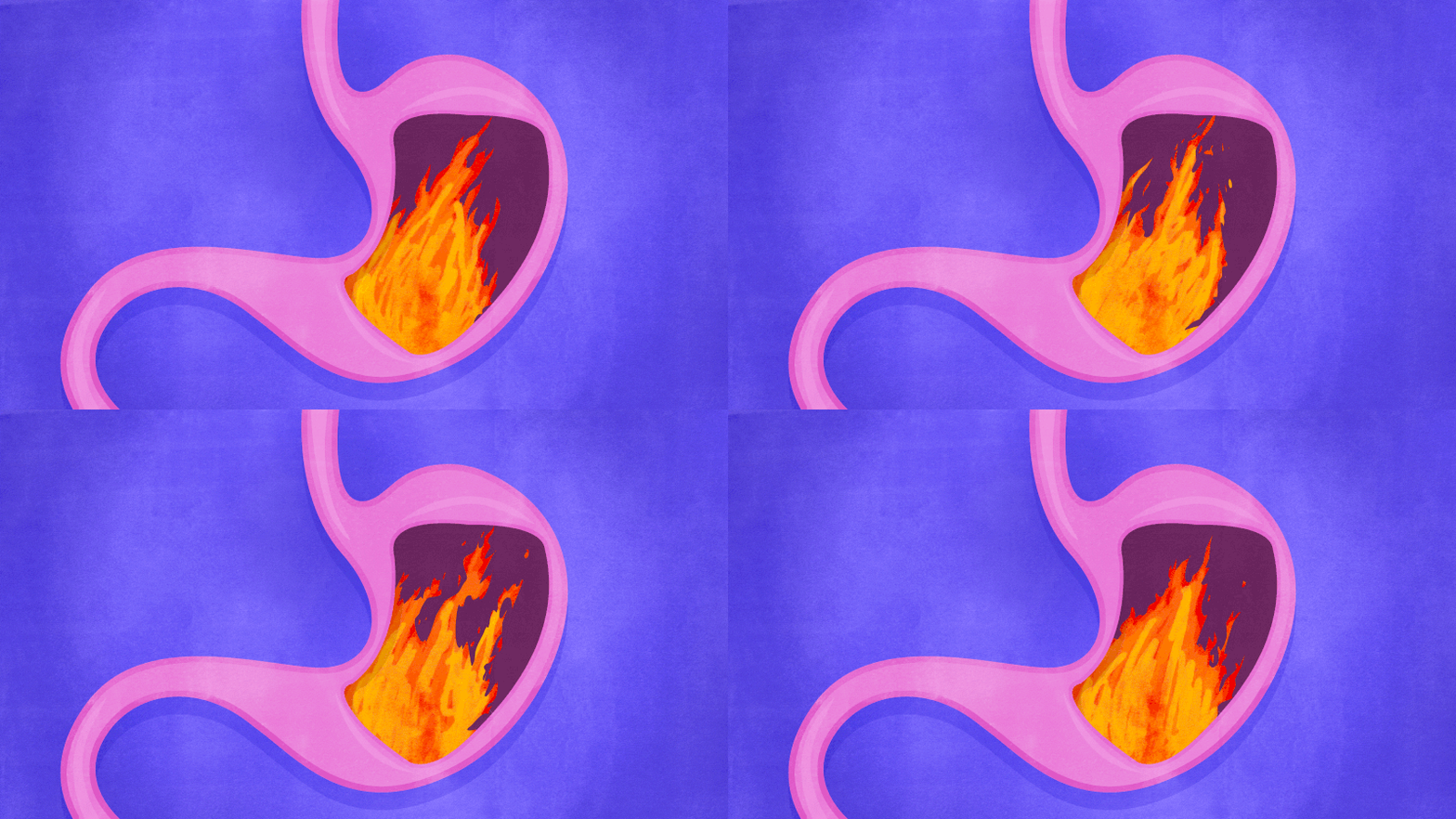
Do you ever get a burning sensation in your throat or chest? If you do, it’s likely that you are suffering from acid reflux. People may also refer to acid reflux as ‘heartburn’ or ‘indigestion’.

So what is acid reflux? Well, in our stomach, there is a very strong acid. This acid is important for killing bad bacteria and for helping us to break down our food as a part of digestion. The stomach has a special lining to prevent this acid from damaging the walls of the stomach. However, if the acid happens to leave the stomach and move up the oesophagus (US: esophagus) then we may feel the acid burning in our throat or chest.

What are the symptoms of acid reflux?

There are a number of symptoms that people experience. For example, some people get a burning in their throat or chest, other get quite bad chest pains. Acid reflux can even wake us up in the night. In fact, a lot of sufferers find the symptoms of acid reflux worse when they lay down. Some people also experience nausea or a bitter taste in their mouth due to acid reflux

What are the causes of acid reflux?

There are many causes of acid reflux and so this list is not exhaustive, but here are a few of the most common causes.

Overindulgence – eating too much or food that is too rich in fat or sugar can cause acid reflux.

Poor eating habits – eating too large an amount, eating large bites without sufficient chewing, Eating too quickly, swallowing air while eating, eating too late at night. Find out more, here.

Too many antacids – taking too many antacids can make acid reflux even worse by over neutralizing stomach acid

Upset stomach – stomach bugs or eating something that doesn’t agree with us can cause reflux

Overproduction of acid – The overproduction of acid can mean that it travels up the oesophagus

Gastritis – inflammation of the stomach can mean that it produces excess acid or travels up the

Hiatus hernia – this may prevent food passing properly and can make it more difficult for acid to stay down in the stomach

Diseases of the digestive system – For reasons not always understood, bowel conditions such as Diverticular Disease and inflammatory bowel diseases (IBDs) such as Crohn’s and Ulcerative colitis can be linked to acid reflux.

Gallbladder problems or removal – Dysfunction or removal of the gallbladder can cause excess bile which can lead to acid reflux. If you have severe reflux immediately after gallbladder removal, speak with the surgeon.

IBS – Irritable bowel syndrome can affect the transit of food and cause cramping which may lead to acid reflux.

Stomach/Gastric ulcer – stomach ulcers can cause excess acid production

H. Pylori infection – A overgrowth of a bacteria called H. Pylori in the stomach can lead to poor digestion and acid reflux as a result.

Antibiotics/Certain medications – Antibiotics often kill both bad and good bacteria and so a lack of good bacteria that aid digestion can cause some acid reflux, also, some other medications may affect digestion or stomach acid production

Obesity – the excess pressure on the body caused by excess weight can make acid travel up into the oesophagus, causing reflux.

Gastroparesis/Delayed gastric emptying – acid reflux can occur when food stays in the stomach for too long.

Stress/Anxiety – digestion slows down when we experience stress and anxiety, because of this, food tends to stick around in the stomach a little longer and so we can experience acid reflux.

Bariatric surgery – weight loss surgeries can increase the chance of reflux due to the tiny size of the stomach pouch. If this happens, you need to speak with your surgeon to find a solution; this may include medication or further surgery.

How can I prevent acid reflux?

Good eating habits – adopting good eating habits will help prevent reflux. This means eating small meals, taking small bites, chewing well and eating slowly. It also involves not eating late at night. You can read my post on good digestion habits to find out more.

Avoiding acidic foods – fruit juices, tomatoes, citrus fruits, alcohol, vinegar, coffee are all acidic foods that we eat. Some people can stop their reflux by simple cutting down on acidic foods or removing them from their diet.

Avoiding trigger foods – Some people are triggered by different foods, common triggers may involve nuts, cheese, carbonated drinks, etc. By using a food and symptom diary to identify trigger foods, you can cut these out of your diet.

Avoid smoking and alcohol – smoking and drinking alcohol are both thought to increase the chance of acid reflux since they are both harsh on the stomach. Smoking can also increase the chances of stomach ulcers, so if you suffer with reflux, it’s a good idea to try to quit.

Avoid taking a lot of painkillers unless told to by your doctor – taking too many painkillers can lead to stomach ulcers and excess acid production

Make sure when taking medications to follow the instructions (such as taking with food) – taking medicine on an empty stomach can be bad for the stomach, so be sure to

Avoid stressful situations – Trying our best to not get too stressed out or anxious can help prevent acid reflux.

How can I treat acid reflux?

If this is just a one-off episode of acid reflux, you can take a simple over the counter medication such as an antacid. Branded examples include Gaviscon, Pepto-Bismol, Rennie and Zantac (ranitidine). Take the lowest recommended dose and give it some time to work. This is important because if you take too much of these medicines, they can actually make the reflux worse by causing your stomach to produce even more acid.

If you are experiencing reflux regularly, have a look at if there is something specific that you are eating or doing to cause it. For example, does it only happen after a glass of wine? Or perhaps it happens after you eat tomatoes or drink coffee… The best way to investigate this is to keep a food and symptom diary, you can download a tracker from here. If you do find a trigger, consider cutting this out of your diet.

Sometimes alcohol triggers acid reflux – in some cases it’s best to just avoid it completely…

If you can’t find a specific trigger but you’re a smoker, consider quitting smoking to see if it makes a difference.

Now, if the acid reflux is happens regularly and you are unable to find relief by changing your diets or habits, then it is time to visit your doctor. Be sure to tell the doctor about any other symptoms you are experiencing, for example, abdominal pains or cramps, a change in bowel habits, nausea or vomiting, excessive belching/burping or passing gas and any disruptions to your sleep. If you have been keeping a food and symptom diary, take this along to your appointment. It will really help the doctor to understand your symptoms and provide an accurate diagnosis.

Your doctor may prescribe you a medication to take regularly in order to reduce the amount of acid your stomach produces such as ppis (proton pump inhibitors) such as Omeprazole. However, it is important to find the cause of the reflux rather than only treating the symptoms. To diagnose problems, a doctor may suggest you take a breath test for H. Pylori (a bacteria that can survive in the stomach’s acidic conditions) or undergo an endoscopy/gastroscopy where a camera inserted into the stomach. This allows a doctor to identify problems such as ulcers or inflammation. They can also take tissue biopsies during the endoscopy to test for further problems.

Why you shouldn’t ignore acid reflux…

 If you get acid reflux regularly, it’s very important to not ignore it and make sure to get it treated because long-term acid reflux can cause bigger problems. For example, regular acid reflux can cause tooth decay/and tooth acid erosion. It can also cause stomach ulcers, and can even increase your risk of stomach and oesophageal (US: esophageal) cancer in the future.

Do you suffer with acid reflux? Do you have a trigger food or drink? How do you deal with it?

What is a low-residue diet?

People who have digestive conditions often find that their symptoms differ from day-to-day. Some days, they might feel okay and at other times, they may experience a ‘flare up’ of their condition. This happens with lots of digestive ailments such as IBS, diverticular disease, Crohn’s and other IBDs.

During these flare ups, lots of patients are advised to eat a low-residue diet. But what exactly is that? Well, it’s a diet that produces little waste in the bowel and can be mostly absorbed by the body. The foods that are low-residue tend to be low in fibre (US: fiber) since fibre cannot be absorbed by the body and so makes up the bulk of our stools.

Eating a low-residue diet allows our bowel to rest a little until we are feeling better. But, don’t worry, it’s not as restrictive as you might think. In fact, it’s definitely possible to enjoy your food while on a low-residue diet.

So, what foods are included in a low-residue diet?

Go ahead :

  • white refined grains such as white breads and white crackers
  • Cooked cereal such as cream of wheat or grits
  • Cold cereal such as puffed rice (Rice Krispies/Coco Pops/Ricicles), or corn flakes.
  • White pasta, white noodles, white rice, White rice noodles, etc.
  • Boiled/mashed/baked potatoes with no skins
  • Well cooked carrots, beetroot, mushrooms, spinach and pumpkin (no seeds)
  • canned/cooked fruits without seeds and skins such as applesauce, tinned pears/peaches, etc.
  • Soft cantaloupe or honeydew melon
  • White fish, chicken or turkey (no skin) and cooked without too much fat
  • Jelly (US: Jello)
  • Decaffeinated drinks
  • Fruit and vegetable juices without pulp

In moderation:

  • dairy such as milk, cream, ice cream, custard and butter (avoid these if you are lactose intolerant)
  • Meats such as lean beef and lean pork (opt for lean cuts or remove as much fat as possible before consumption)
  • Plain cakes and biscuits/cookies
  • Eggs
  • Avocado

Avoid:

  • Brown bread, grains, rice, pasta, noodles
  • Prune juice and juices with pulp
  • raw fruit and vegetables
  • beans, lentils and tofu
  • nuts and seeds
  • popcorn
  • sweetcorn/corn on the cob/cornbread
  • fatty or cured meats (prosciutto, lamb, duck, Serrano ham and other deli meats, bacon)
  • coconut
  • pickles, olives, dressings and burger relishes or chutneys
  • Jams (US: jelly)
  • Certain cooked vegetables, including peas, broccoli, winter squash, Brussels sprouts, cabbage, onions, cauliflower, baked beans

NOTE: A low residue diet is NOT a low FODMAP diet. These are different things. Some people get confused between the two. For now, I haven’t written a post on a FODMAPs, but when I do, I’ll link it right here.

Of course, as with any food guidelines, you may find that some of the foods on the ‘go ahead’ or ‘in moderation’ lists bother you and cause undesirable symptoms, if this happens, just simply cut it out of your diet.

It can be difficult to figure out which foods cause your problems.

Having trouble figuring out which foods are causing you issues? Use my Diverticular Disease Tracker to monitor your food intake and any symptoms you get (You don’t need to have diverticular disease to find this document useful). You may also need to introduce new foods gradually and one at a time. Also, when you are over your flare up, it’s important to slowly increase your fibre intake otherwise you may cause yourself discomfort.

Preparing for a colonoscopy

So, you’re going for a colonoscopy…don’t worry. It’s not as bad as you might think! A lot of people say that the preparation is worse than the procedure, so let’s look at how we can make it as smooth a ride as possible.

Two days before the colonoscopy

Reduce the amount of fibre in your diet and adopt a low residue/low fibre diet. Cut out fruit and vegetables and eat plain foods such as chicken without a sauce, white rice, white bread, and clear soups. This makes the preparation much easier on your body. Also eat lightly, try not to eat too much, have small portions and drink lots of water. You may feel quite hungry, but, this will certainly reduce the amount of toilet trips when you take your preparation agent.

Preparation dayOn the day before the colonoscopy

I prefer to book a morning appointment for my colonoscopy and not eat anything on the day before my colonoscopy. However, if you have booked a later afternoon or evening appointment, your doctor should give you a schedule for when to take your preparation agent and stop eating and stick to a clear liquid diet.

NOTE: You MUST tell the colonoscopy team or your doctor before doing the preparation if you are diabetic.

When I had my colonoscopy, my doctor gave me Citrafleet to use. It was in two sachets each of which were to be mixed in one glass of water. The Citrafleet tasted like lemon and was definitely fine to drink without too much trouble.

The preparation agent my doctor prescribed for me.

Some doctors give their patients different preparation agents, these can come in large bottles, sachets and some are difficult to drink. Tips for making these drinks more palatable include: keeping it cool, using a straw, adding a flavour or chasing it with a clear drink you enjoy.

REMEMBER: Avoid eating or drinking anything that is red, pink or purple in colour. This can stain the lining of the bowel and can affect the results of the colonoscopy.

Prep day kit!

  • prep agent
  • drinks – I had green tea, water, iced tea, Sprite
  • Vaseline
  • baby wipes
  • A show or set of movies that you know well and love to watch.
  • Someone to hang out with
  • hobby (crochet, reading, etc)
  • paint your nails, do a face mask, do your hair, etc.

The urge to go can be sudden and come from nowhere…be ready to spring up and run to the bathroom! Be careful of cables, yarn, being in a position or chair you find it difficult to get out of. Make sure your route to the bathroom remains clear. And that other family members or friends if possible can use a different bathroom if you’ve got your stuff set up in the most convenient one.

Ouch it burns!

Like with any time we get diarrhea, it can burn. So, to solve this, be proactive. Before you go for the first time, apply Vaseline or Sudocrem thickly. This will act as somewhat of a barrier and will protect your skin. Then after going to the bathroom, avoid wiping multiple times with toilet paper. If you suspect it is messy, consider using a bidet or using water to clean your bottom. Alternatively, I would recommend using baby wipes for sensitive skin. These can help you clean up without too much repeated wiping and are gentle on the skin. (the more you wipe over the same area, the more likely it is to become sore). When you’re clean, apply a new thick layer of Vaseline or Sudocrem ready to protect you the next time. This helped me so much!

NOTE: We love the environment so please don’t flush your baby wipes away. Of course it would be better not to use them at all, but it’s better to dispose of them in a bin rather than flushing them down the toilet where they can block drains or enter our waterways.

How do I know whether I’m empty and ready for the procedure?

In theory, by the end of the preparation, your bowel movements should be totally liquid, pretty much see-through and possibly yellow in colour.
If you are still passing loose stool with pieces in it or thick and not at all see-through, you should contact your doctor or a member of staff at the place where the colonoscopy is taking place.
Some places will do an enema if the bowel requires a little cleaning, but others would rather reschedule the colonoscopy and prescribe a different preparation agent.

Good luck for the procedure!

If you have any more questions about preparing for a colonoscopy, please ask them in the comments below and I’ll try to answer them or even add additional information to the blog post. How did your colonoscopy prep go and do you have any helpful tips?

Coping with constipation

Getting constipated is something that happens to everyone from time to time and there are many different reasons for why we get constipated. These could include, stress, holding off going to the toilet, a diet lacking fibre, a bowel complaint such as irritable bowel syndrome, poor gut motility, surgery, certain medications including pain killers such as codeine, etc, dehydration or even a sedentary lifestyle.

Whatever reason you are dealing with constipation, here are some helpful ways to deal with it.

Drink plenty of water

The job of the large intestine/bowel is to absorb water from our waste back into our body so that we don’t become dehydrated. However, if we don’t drink enough water, this can make our faeces (US: feces) too dried out and hard, meaning that it doesn’t move as easily in the bowel and is hard to eliminate.
Drinking lots of water will keep you hydrated and mean that not too much water is absorbed from the faeces in the large intestine, keeping your bowel movements smooth and soft.

Exercise

Staying active is very important. The body needs to get up and move in order for the muscles to be exercised well and to work properly. This includes your intestines. Spending too much time being inactive can make it more difficult for the bowel to work effectively.
Gentle exercise each day can really help to keep you regular. For example, a small walk to the shop, going up and down the stairs, or even doing some gardening or housework are all good ways of keeping your body moving.

Prune juice, raisins and figs

When a lot of people are constipated, the first things people recommend are prune juice, raisins and figs. These can all help shift stubborn waste and help us to go to the bathroom. It’s always worth keeping these handy snacks and drinks in your home if constipation is something you suffer from frequently.
NOTE: Those with diabetes should be aware that these snacks can be high in sugar and should only consume them if it is recommended to do so.

Glycerine suppositories

Sometimes people with constipation strain and push when trying to go to the bathroom. This isn’t good because straining is linked with the formation of haemorrhoids and hernias. If you want a drug-free method that works quickly to help get things moving and make going to the bathroom less hard work, you can try a glycerine suppository. They are available at pharmacies and are like a small jelly bullet. Your pharmacist can tell you more about the product such as if it is safe for you and can help tell you about how to use it. You can even get ones suitable for children and infants.

Stool softeners

Milk of Magnesia, senna, Laxido, Lactulose and Movicol are all common stool softeners. These medicines, prevent the bowel from absorbing so much water from the waste and so help it to stay soft and easy to pass. However, near in mind that these medicines can take time to work and that it’s important to be patient before taking the next dose. You can discuss with your doctor or pharmacist which stool softener is the right one for you.

Increase fibre in your diet

Since constipation can be caused by a lack of dietary fibre (US: fiber), it’s important to make sure that your diet includes lots of high-fibre foods such as fresh fruit and vegetables, whole grain cereal and crackers, brown bread, pasta and rice.
Bear in mind, though, some people with bowel problems such as IBS and diverticular disease/diverticulitis may experience discomfort after high-fibre foods. For these situations, you should speak to your doctor about if a soluble fibre supplement might be more suitable for you.

Complications

If constipation is something that you are experiencing frequently, it’s important to discuss this with your doctor because sometimes, getting constipated can be an indication of a problem. For more guidance and tips of constipation in children and babies or indications of when you should visit a doctor with constipation, click here.

What tips do you have for those suffering with constipation? Let us know in the comments.