7 Tips for good digestion

Eating is something we do to get all of the nutrients that we need to be healthy and live an active lifestyle. A lot of people suffer with poor digestion and get symptoms such as stomach ache, bloating, indigestion, acid reflux or even just feeling sluggish. So, what can we do to prevent these problems?

Try these 7 tips to help your digestive system work in tip-top condition.

1. Eat slowly

When eating, it’s a good idea to eat slowly. This way you’re more likely to chew your food and not eat more than your stomach needs to satisfy your hunger.

2. Chew your food well

Digestion begins in the mouth, here we physically break down food by using our teeth, but we also begin to chemically digest food using our saliva. An enzyme in our saliva called Amylase helps us break down carbohydrates into sugars that will give us energy before we even swallow our food. To make food easier for our stomach to digest, we should chew our food very well until it is like a paste and is easy to swallow.

3. Avoid drinking lots of liquid while eating
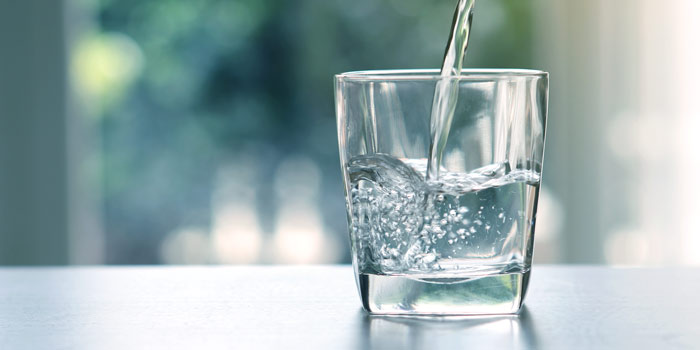
Drinking lots of water at the same time as eating can overfill our stomach and cause us a lot of discomfort. It can even cause our stomach to stretch over time.
It’s best to avoid drinking for around 20-30 minutes either side of your meal. Of course, you can have a couple of small sips to cleanse your palette or wet a dry mouth, but our stomach and stomach acid can do a better job to digest our food without a lot of water entering the stomach at the same time.

4 . Avoid eating after 7 pm

A lot of people suffer with indigestion or acid reflux in the evening or when in bed at night and one cause of this could be eating too late in the evening. When we sleep, our digestive system slows down and doesn’t work as efficiently as it does during the day. Because of this, it’s a good idea to avoid eating after around 7pm or for about 4 hours before you go to bed. This gives food time to be digested and exit the stomach, meaning there isn’t lots of acid when you go to bed. However, there are lots of other reasons why you might be getting acid reflux or indigestion on a regular basis and this should be discussed with your doctor.

5. Avoid laying down or napping after a meal

Just as I mentioned above, sleeping after a meal, although tempting isn’t good for digestion since it slows the process down, causing food to stay around in the stomach for longer than usual. Laying down is also not a great idea because it can mean acid is more likely to escape from the stomach and go up into the oesophagus, giving us that burning sensation in our throat.

6. Stop eating if you don’t feel hungry

We know it’s rude to waste our food, but, it’s bad for our health and our digestion to eat portions that are much too large for us. Large portions are difficult for us to break down all at one time and can also stretch our stomach and make us feel bloated and uncomfortable. Remember, it takes around 20 minutes for the hormones produced by the stomach to tell your brain that you’re full. This means that many of us overeat. Eating slowly will certainly help us to receive that signal before we indulge too much.

It’s okay to say ‘no thank you’ – in fact, your digestive system might even thank you for it!

7. Eat small portions regularly

As we’ve seen above, large meals are hard on the digestive system. It’s much better for your body to eat smaller meals more frequently throughout the day than going hungry all day and sitting down to a huge meal in the evening.
But doesn’t eating more meals each day mean more cooking? Not necessarily…you can easily cook your lunch and split it into several portions to eat later in the day.

Do you get discomfort after eating and have any of these tips helped you? Let me know in the comments below.
Travelling with Diverticular Disease/Diverticulosis

Whether you’re heading off for business or pleasure, travelling can be a very stressful time for those with diverticular disease/diverticulosis (DD). However, it’s important not to cancel these important events because of the fear of getting sick while away from home. Fear not, there are things you can do to ensure you are prepared in any situation.

Travel insurance

The first step includes purchasing travel insurance – You need to do this before you head off on your trip. Make sure that you always read the small print in your insurance policy – sometimes the policy doesn’t cover everything that you might need or it may have a huge excess to pay if something does go wrong. If you’ve been diagnosed with a condition, these often need to be declared before travelling. Most inexpensive travel insurance policies don’t cover pre-existing conditions and so it’s important to find one who will. If you happen to be a member of the EU, check to see whether the country you’re travelling to will accept the EHIC card (pre-Brexit). However, even if they do, I would STILL recommend buying travel insurance since it can cover missed flights, lengthened stays and even costs incurred for meals, etc while unable to travel.

Do your research

Before you set off on your holiday, do a little research online to find out where your nearest hospital, doctor’s surgery and pharmacy is. Of course, if you’re staying in a hotel, the receptionists may be able to help you with this, too after you’ve arrived. However, it’s certainly a load off your mind if you already have this knowledge before even leaving your house for the airport. You can always check that your research matches up with what the hotel receptionist recommends when you arrive anyway!

Antibiotics

If flare ups are quite common for you, it might be a good idea to speak with your doctor before you travel – some doctors will be more than happy to prescribe you some antibiotics to take with you, just in case diverticulitis rears it’s ugly head and threatens to spoil your trip. If your doctor doesn’t want to prescribe any pills, don’t stress. You can always visit a doctor during your trip, or in some countries, you’ll even be able to purchase the antibiotics you want without a prescription. For example, in Greece, Flagyl and many other medicines are available without a prescription. However, Ciproxin requires a special form to be filled out by the prescribing doctor.

Medication

There are a range of different medications we can take with us on any trip. To begin with, anti-diarrhea medicines such as loperamide (Immodium and other brands) are usually a good idea – When we travel, we often experience a change in our bowel habits and it’s not uncommon to get ‘holiday tummy’ or ‘traveller’s diarrhea’.

To make sure you’re prepared whether it’s diarrhea or constipation you’re suffering with, pack a supply of both anti-diarrhea medication, a stool softener and a couple of rehydration sachets. This will mean you’ve got exactly what you need right away and won’t be worrying about how to get to the nearest pharmacy. Also, taking your own from home is a good way to save money, in some countries even basic medication can be quite expensive. For instance, in Italy, I had to pay 10 euros for a small pack of paracetamol….that’s a LOT more expensive than in the UK.

Pain medication

As you know, NSAIDs such as ibuprofen and aspirin are to be avoided for DD sufferers, it is also widely known that codeine -containing medicines can bung you up and cause constipation, so be cautious when taking pain relief. Stick to paracetamol-based pain relief if you can. However, if the pain is severe, constant over 24 hours, worsening or not improving even after paracetamol and a liquid diet, seek medical advice.

REMEMBER: Some countries may require that you have a notice or prior permission before taking certain medications with you. For example; codeine is a regulated substance in Greece, and Tramadol is regulated in Egypt. It’s best to check with your travel agent or with the embassy of the country you plan to travel to. See the website below for more in-depth guidance.

https://www.nhs.uk/common-health-questions/medicines/can-i-take-my-medicine-abroad/

Trying new foods

Now, one of the best things about travelling is tasting lot of new foods and having DD doesn’t mean you can’t try anything new. However, it does mean you should be careful. When trying new food or food combinations, just taste a small portion and eat it slowly. You may also want to keep some indigestion remedies on hand, too.

I know it can be tempting to drink lots of booze while away, but ensure you stay hydrated and try not to push your limits too much. Some dd sufferers have trouble with alcohol, so don’t overdo it and ensure you drink water with each alcoholic drink.

Remember to drink plenty of water. This is a MUST for any dd sufferer, but especially if you’re visiting a hot country or swimming in the sea, staying hydrated is extra important!

Language

As a side note, I’ve included the word for ‘diverticulitis’ in different common languages below just in case you come into contact with a doctor with limited English as I have done in the past. As you can see, sometimes the word is pretty much the same, but it’s always worth checking before you go.

French: diverticulite Italian: diverticolite

Spanish: diverticulitis Portuguese: diverticulite

Greek: εκκολπωματίτιδα (ekkolpomatitida) German: divertikulitis

Mandarin Chinese: 憩室炎 (Qìshì yán)

Bulgarian: дивертикулит (divertikulit)

So, if you’ve got all of the above in order, you’re pretty much ready to go! So, have a great time and enjoy yourself stress-free and knowing that you’re prepared for any eventuality.

Do you get stressed about planning trips? Have you ever got sick while on holiday? Let me know in the comments below.

What is a clear liquid diet?

Sometimes when we have problems with our stomach or digestive system, we may be asked by our doctors to stick to a clear liquid diet for a couple of days.

So, what can we have while on a clear liquid diet? Well, that depends a little bit on why you’re following it. For example, if you are preparing for surgery or a colonoscopy, you may have extra restrictions in place.

Generally, though, clear liquid diets involve anything that is a clear liquid at room temperature. Examples of acceptable foods and drinks on a clear liquid diet are:

  • Water
  • chicken, beef or vegetable broth (strained to remove any pieces)
  • Black coffee/tea (no milks or creamers)
  • Herbal/green teas
  • clear soda drinks (e.g. Sprite/7up)
  • Jelly/Jello (US)
  • Clear fruit juices without pulp (e.g. clear apple juice)
  • Clear ice lollies/popsicles
  • drinks made from powdered sachets (e.g. Kool Aid, Bolero, etc.)

It’s a good idea to avoid any clear foods or drinks that have red or purple dyes. These can stain the inside of the bowel, making it look inflamed or can cause alarm if vomiting.

Are there any side effects of a clear liquid diet?

Well, this diet is not intended to be followed long term since it cannot provide all of the nutrients you need. You may notice while on a clear liquid diet that you feel hungry, maybe a little nausea at times and you may feel weak or tired. This is quite normal.

DISCLAIMER: If you are diabetic, please seek advice from your doctor before undertaking a clear liquid diet.

Have you been on a clear liquid diet before? How did it go? Let me know in the comments.