So, you’re waiting to get your gallbladder removed – Don’t worry, it’s not as bad as it sounds. In fact you can read about what gallbladder removal surgery entails here or you can read my own story on getting my gallbladder removed.
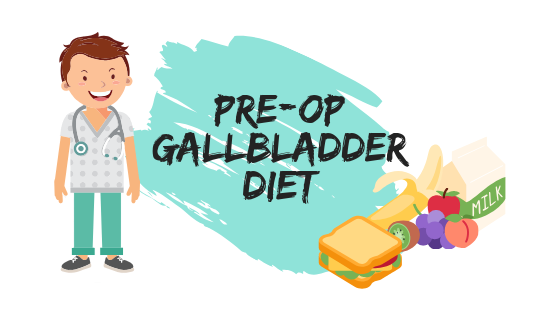
To avoid extremely painful gallbladder attacks or the worsening of your condition while waiting for your surgery, you can aim to have a low-fat diet. A diet low in fat will hopefully ward off any painful attacks and prevent gallstones from getting larger.
You can eat:
fruit and vegetables
white fish and white meats (no skin and cooked without the addition of fat)
Potatoes (not fried)
2% or less milk and yoghurts
Low-fat cheese such as cottage cheese, feta, etc (check for fat contents of 4% of less)
Try not to do a no-fat diet because this can cause the gallbladder to become even worse. Stick to low-fat and try not to eat large portions. Instead aim to have smaller snacks and portions throughout the day. This will help your gallbladder keep working and prevent discomfort after eating.
Want to know more about what comes next? Read Gallbladder Removal Surgery – Cholescystectomy and let me know what you think.
Diverticulitis is an inflammation or infection of one or more diverticula (pouches) in the bowel. It can cause diarrhoea, constipation, nausea, loss of appetite, abdominal pain or discomfort, blood in the stools, a fever and various other symptoms. If you have been diagnosed with diverticulitis, chances are that you’ll be taking antibiotics to help clear the infection. You may also be advised in some cases to undertake a clear liquid diet. For a detailed explanation of what this entails, click here.
You may also be told you are allowed a soft foods/low residue/low fibre diet. This means plain/bland and easily digestible foods that do not contain much fibre. This allows the bowel to rest.
Include:
white bread
white pasta
white rice
white crackers (e.g. Saltines)
chicken/turkey breast (no skin and cooked without adding fat)
white fish (no skin and cooked without adding fat)
boiled/mashed potatoes (no skin)
clear Jelly/Jello
limited low fat dairy (a small portion of low/no fat yoghurt)
limited eggs (preferably cooked without the addition of fats)
decaffeinated tea/coffee and carbonated drinks
applesauce, stewed fruits without seeds of skins
well boiled carrot and courgette with no skin
strained fruit juices without pulp
Even crackers can taste yummy after a clear liquid diet…
Please avoid:
fried foods (including fried eggs, potatoes, etc)
rare or medium cooked meat
fatty meats such as duck, lamb and pork
bacon and sausages
high fat dairy products such as cream and butter
brown, high-fibre bread, pasta, rice, quinoa, etc.
fruit juices with pulp
raw fruit and vegetables with seeds and skin
alcoholic beverages
caffeinated beverages such as tea, coffee, cola, energy drinks
very high sugar sweets
chocolate
unhealthy fatty and salty snacks such as crisps, biscuits, cakes, etc.
Save the cake for when you’re feeling better…
Remember that everyone is different and sometimes even these foods may cause discomfort. Because of this, I recommend tracking your food and water intake alongside your symptoms to have a clear picture of what is going on. You can do this by using my Diverticular Disease Tracker which is available to download for free and print out immediately.
In addition, I’d recommend eating slowly, and having small portions regularly so that your digestive system isn’t overwhelmed by large meals. You can pick up more tips for good digestion by reading this post.
What do you eat when you have diverticulitis? Are you able to tolerate all of the foods on this suggested list? If not, which are unsuitable foods for you?
Eating is something we do to get all of the nutrients that we need to be healthy and live an active lifestyle. A lot of people suffer with poor digestion and get symptoms such as stomach ache, bloating, indigestion, acid reflux or even just feeling sluggish. So, what can we do to prevent these problems?
Try these 7 tips to help your digestive system work in tip-top condition.
1. Eat slowly
When eating, it’s a good idea to eat slowly. This way you’re more likely to chew your food and not eat more than your stomach needs to satisfy your hunger.
2. Chew your food well
Digestion begins in the mouth, here we physically break down food by using our teeth, but we also begin to chemically digest food using our saliva. An enzyme in our saliva called Amylase helps us break down carbohydrates into sugars that will give us energy before we even swallow our food. To make food easier for our stomach to digest, we should chew our food very well until it is like a paste and is easy to swallow.
3. Avoid drinking lots of liquid while eating
Drinking lots of water at the same time as eating can overfill our stomach and cause us a lot of discomfort. It can even cause our stomach to stretch over time. It’s best to avoid drinking for around 20-30 minutes either side of your meal. Of course, you can have a couple of small sips to cleanse your palette or wet a dry mouth, but our stomach and stomach acid can do a better job to digest our food without a lot of water entering the stomach at the same time.
4 . Avoid eating after 7 pm
A lot of people suffer with indigestion or acid reflux in the evening or when in bed at night and one cause of this could be eating too late in the evening. When we sleep, our digestive system slows down and doesn’t work as efficiently as it does during the day. Because of this, it’s a good idea to avoid eating after around 7pm or for about 4 hours before you go to bed. This gives food time to be digested and exit the stomach, meaning there isn’t lots of acid when you go to bed. However, there are lots of other reasons why you might be getting acid reflux or indigestion on a regular basis and this should be discussed with your doctor.
5. Avoid laying down or napping after a meal
Just as I mentioned above, sleeping after a meal, although tempting isn’t good for digestion since it slows the process down, causing food to stay around in the stomach for longer than usual. Laying down is also not a great idea because it can mean acid is more likely to escape from the stomach and go up into the oesophagus, giving us that burning sensation in our throat.
6. Stop eating if you don’t feel hungry
We know it’s rude to waste our food, but, it’s bad for our health and our digestion to eat portions that are much too large for us. Large portions are difficult for us to break down all at one time and can also stretch our stomach and make us feel bloated and uncomfortable. Remember, it takes around 20 minutes for the hormones produced by the stomach to tell your brain that you’re full. This means that many of us overeat. Eating slowly will certainly help us to receive that signal before we indulge too much.
It’s okay to say ‘no thank you’ – in fact, your digestive system might even thank you for it!
7. Eat small portions regularly
As we’ve seen above, large meals are hard on the digestive system. It’s much better for your body to eat smaller meals more frequently throughout the day than going hungry all day and sitting down to a huge meal in the evening. But doesn’t eating more meals each day mean more cooking? Not necessarily…you can easily cook your lunch and split it into several portions to eat later in the day.
Do you get discomfort after eating and have any of these tips helped you? Let me know in the comments below.




 Tummy Trouble